
Unlock Nature's Pharmacy
Ancient Wisdom Meets Modern Science
Discover the power of natural herbs and plant-based remedies through evidence-based exploration. Learn how traditional knowledge and contemporary understanding can guide your wellness journey.
The information on this site is for educational purposes only and does not constitute medical advice. Always consult a qualified healthcare professional before making health decisions.
Herbal Ingredients Gallery
Explore some of nature's most valued healing plants and their traditional uses
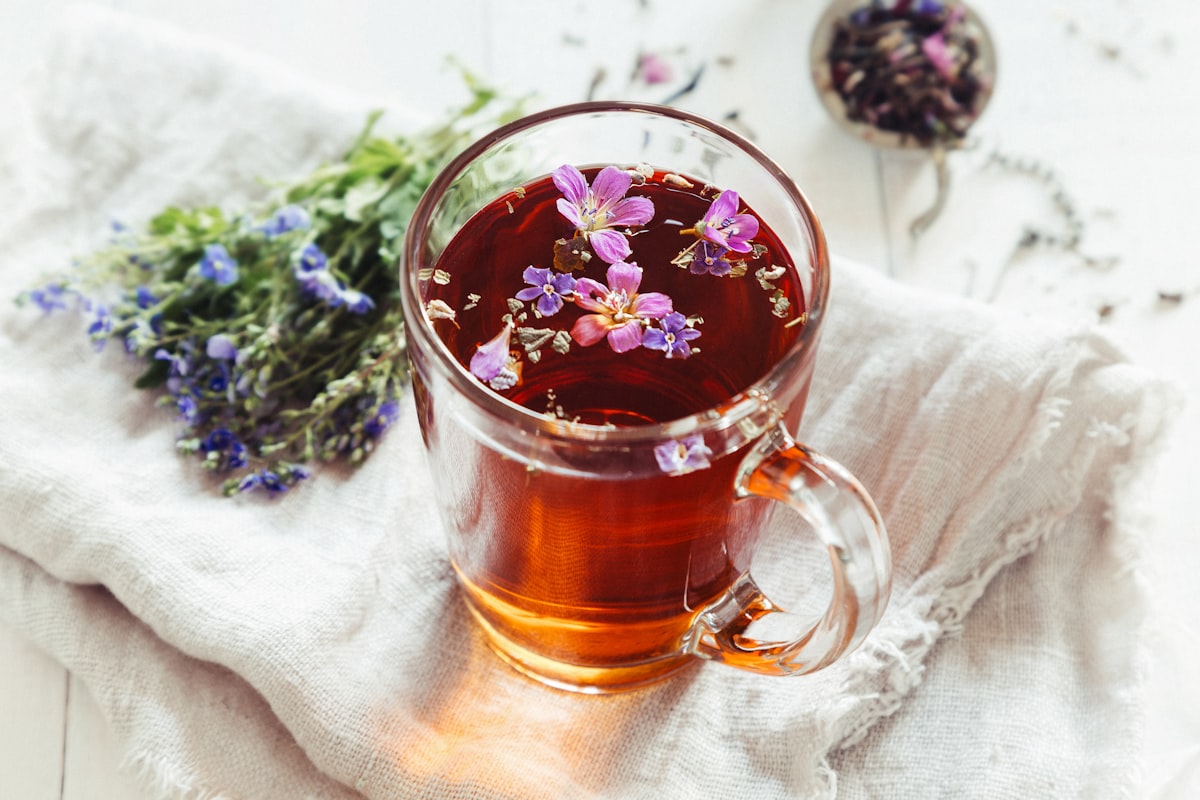
Chamomile
Traditionally valued for its calming properties, chamomile has been used in various cultures for centuries to support relaxation and promote restful sleep. Learn about its historical applications and modern research.
Ginger
Known throughout history as a warming spice, ginger appears in traditional medicine systems across Asia and beyond. Discover its diverse applications and how it has been prepared and used in different cultures.
Turmeric
A cornerstone of traditional Asian wellness practices, turmeric has been revered for thousands of years. Explore its golden history, cultural significance, and how modern science is examining its traditional uses.
Why Choose Natural Remedies Over Synthetic Alternatives
Natural remedies have been used for thousands of years across various cultures. Rather than relying solely on recent pharmaceutical developments, plant-based approaches draw from generations of traditional knowledge and observation. Many people are interested in understanding these time-tested methods and how they compare to modern synthetic options.
Rich Historical Tradition
Natural herbs carry centuries of documented use across diverse cultures. This wealth of traditional knowledge provides context for understanding their diverse applications and preparation methods.
Growing Scientific Interest
Modern researchers are increasingly examining traditional plant remedies through contemporary scientific methods. This bridges ancient wisdom with modern understanding and helps clarify mechanisms of action.
Whole-Plant Complexity
Herbs contain multiple active compounds that work together in complex ways. This natural synergy differs from isolated synthetic compounds and is a focus of modern phytochemistry research.
Top Herbal Remedies for Everyday Wellness
Educational insights into commonly used plant-based approaches to supporting everyday health
Herbal Teas & Infusions
One of the oldest and most accessible ways to prepare herbs. Infusions extract beneficial compounds through hot water, creating beverages that have been enjoyed across cultures. Discover proper steeping techniques and traditional combinations.
Learn moreHerbal Tinctures
An alcohol-based extraction method that concentrates herbal compounds for longer shelf life and potency. Tinctures have been used in folk medicine for centuries and remain a common preparation method. Explore their history and application.
Learn moreEssential Oils & Aromatics
Concentrated plant essences have been valued across history for their aromatic properties. Whether used in traditional burning practices or modern diffusion, aromatics represent an important aspect of herbal knowledge. Learn about safe usage.
Learn moreHerbal Poultices & Topicals
Direct application of herbs to the skin has been practised throughout history. Poultices, salves, and creams represent tactile ways to use plant materials. Discover traditional preparation methods and safety considerations.
Learn moreHerbal Decoctions
A slow-simmering extraction method particularly suited to tougher plant materials like roots and bark. Decoctions represent an important preparation technique across Asian, European, and indigenous traditions. Learn proper methodology.
Learn moreDried Herb Preparations
Drying has been the primary preservation method for herbs throughout history, making their benefits accessible year-round. Dried herbs form the foundation for most traditional preparations. Explore quality indicators and storage techniques.
Learn moreHow to Prepare and Use Herbal Remedies Safely
A step-by-step guide to understanding proper herbal preparation and usage principles
Source Quality Herbs
Begin with herbs from reliable sources. Whether purchasing dried herbs or harvesting fresh plants, quality matters significantly. Look for vibrant colour, strong aroma, and proper storage conditions. Reputable herbal suppliers can provide information about sourcing, growing practices, and any relevant certifications. If wildcrafting, ensure you can accurately identify plants and that harvesting from your location is legal and sustainable.
Choose Your Preparation Method
Different herbs benefit from different preparation techniques. Leaves and flowers typically infuse well, while roots and bark require decoction. Understand the properties of your herb and which preparation method will best extract its beneficial compounds. Traditional knowledge provides guidance on preparation methods refined over centuries. Consider the time you have available and the equipment at hand when selecting your approach.
Follow Dosage Guidelines
Proper dosing varies depending on the herb, preparation method, individual factors, and intended use. Traditional texts, modern herbal references, and experienced practitioners provide dosage recommendations. Generally, start with smaller amounts to assess your response. Many traditional systems use gentle dosing principles. Always research your specific herb and consider consulting reliable herbal references or practitioners familiar with traditional use patterns.
Be Aware of Interactions and Contraindications
Some herbs may interact with other plants or substances, and certain individuals should avoid particular herbs due to their health circumstances. Comprehensive herbal references document these considerations. If you're taking any other preparations or have existing health concerns, research your chosen herb thoroughly. The more you understand about your herb's traditional applications and known properties, the better informed you can be about safety considerations.
Common Questions About Herbal Health
Find answers to frequently asked questions about natural remedies and herbal practices
Botanically, the distinction can blur, but traditionally herbs refer to leafy plant parts used fresh or dried for their flavour and properties, while spices come from seeds, fruits, bark, or roots. Many plants serve both purposes depending on which part is used and the cultural context. For example, coriander leaves are considered an herb while coriander seeds are a spice. Both categories have been valued in culinary and wellness traditions worldwide for their diverse applications and interesting flavour profiles.
Most dried herbs maintain their quality for one to three years when stored properly. Proper storage means keeping them in airtight containers away from direct sunlight, heat, and moisture. Dried herbs gradually lose potency over time, so using them within the first year provides maximum benefit. Check for fading colour or loss of aroma as signs that an herb is losing its potency. Proper storage extends shelf life significantly and maintains the beneficial properties you rely on.
While many herbs have long histories of safe use, individual responses vary. Some herbs may not be suitable during pregnancy, for young children, or for those with certain conditions or taking specific preparations. Thorough research specific to your situation is essential. Understanding the traditional contraindications and modern research helps inform your choices. When in doubt, consulting someone with expertise in herbal knowledge and your personal health situation provides valuable guidance for making informed decisions.
The effects of herbs are often subtle and cumulative rather than dramatic. Keeping a simple journal noting how you feel, sleep, energy levels, and other relevant factors helps track changes over time. Some effects appear within days while others develop over weeks. Understanding the traditional timeline for an herb's effects sets realistic expectations. Many traditional practices emphasize gradual, sustained support rather than immediate results. Patience combined with careful observation helps you understand an herb's effects in your own experience.
Real Stories from Our Herbal Health Community
Readers share their experiences exploring natural remedies and traditional wisdom
"I've always been interested in traditional remedies but didn't know where to start. Naturalingredientguide's herb guide helped me understand which plants were traditionally used for what purposes and how to prepare them safely. The historical context really deepened my appreciation for these practices. I feel much more confident now about exploring herbal wisdom."
Sarah Mitchell
Edinburgh, Scotland
"The preparation guide section was incredibly helpful. I learned so much about proper infusion techniques, storage, and dosage principles. What I appreciate most is that everything is backed by explanation rather than just quick tips. The content bridges ancient knowledge with contemporary understanding in a really accessible way."
James Harrison
Manchester, England
"As someone with a background in science, I was sceptical about herbal practices. But this site presents the information in such a balanced way, explaining both traditional uses and what modern research is discovering. It's refreshing to find a resource that respects both ancient wisdom and contemporary investigation."
Rachel Williams
Bristol, England
"I'm building my own herbal practice and this resource has been invaluable. The detail about different preparation methods, storage, safety considerations, and traditional uses gives me the foundation I needed. I recommend it to everyone interested in learning about natural remedies properly and responsibly."
Laura Thompson
London, England
Stay Updated with Herbal Insights
Subscribe to receive our latest articles and guides about natural remedies and traditional wellness practices.
We respect your privacy. Unsubscribe at any time.
Begin Your Natural Healing Journey Today
Explore our comprehensive guides, discover traditional remedies, and deepen your understanding of nature's most valued plants. Whether you're beginning your herbal education or expanding existing knowledge, we're here to provide reliable, well-researched information.
Have questions about herbal remedies? Contact our editorial team for content inquiries.
Trusted by Health Enthusiasts
Real experiences from our community members
"This guide helped me understand which herbs work best for my needs. The research-backed information is invaluable, and I've noticed real improvements in my wellness routine."
Sarah M.
Wellness Advocate
"Clear, comprehensive, and easy to navigate. I finally have a trustworthy source for herbal remedy information instead of conflicting online sources."
David K.
Herbalist
"The remedy resources are incredibly detailed. I appreciate how they explain contraindications and interactions—it shows real expertise."
Emma T.
Natural Health Student
Frequently Asked Questions
Get answers about natural ingredients and herbal remedies
Are the herbs on your site safe for everyone?
While many herbs are generally safe, individual responses vary based on health conditions, medications, and allergies. We recommend consulting with a healthcare provider before starting any new herbal remedy, especially if you're pregnant, nursing, or taking medications.
How is the information on your site researched?
Our content is compiled from peer-reviewed scientific studies, traditional herbalist knowledge, and clinical research. Each herb profile includes citations and sources so you can verify the information independently. We update our guides regularly as new research becomes available.
Can herbs replace my medication?
We never recommend replacing prescription medications with herbs without professional guidance. Many herbs can complement conventional treatments, but this should only be done under the supervision of your doctor or a qualified herbalist who understands your complete medical history.
How do I know which herb is right for me?
Our herb guide includes sections on uses, benefits, and considerations for each plant. We recommend starting with our search tool or browsing by health concern. For personalized recommendations, consult with a certified herbalist or naturopathic doctor who can assess your individual needs.